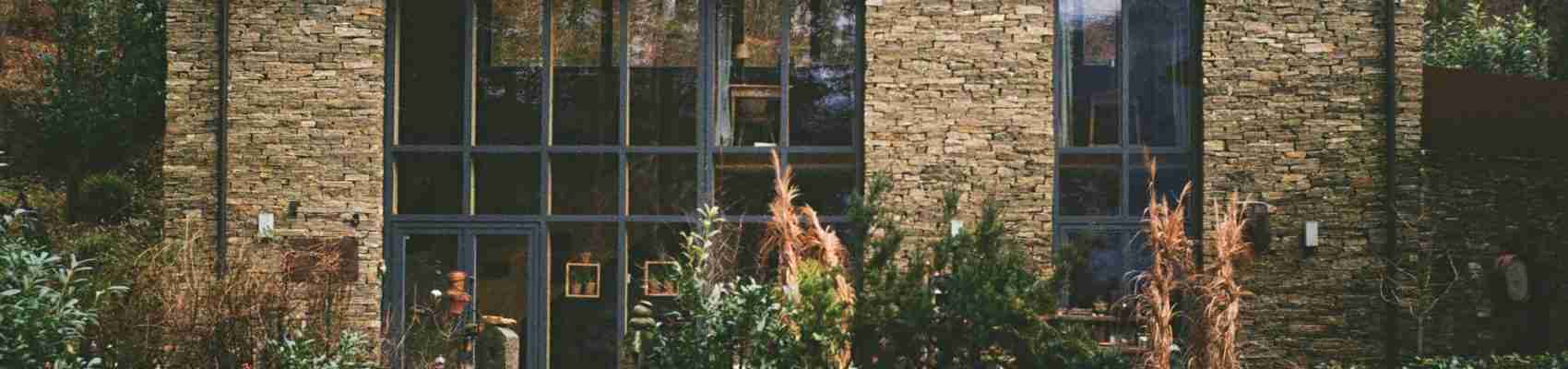
The new face of homebuilding: prefab and proud
In 2024, nearly 1 in 10 new single-family homes in the United States is built off-site, according to data from the National Association of Home Builders. That surprise alone challenges the lingering myth that prefab is a fringe choice. This post unpacks why forward-looking buyers are flocking to factory-built
dwellings, how the numbers stack up, and which questions homeowners ask most often.Prefab 2.0: beyond the trailer stereotype
Modern prefab houses arrive as weather-tight modules or panels produced under robotics-assisted conditions. The result: precision tolerances of ±1 mm, compared with the ±6 mm common on a conventional site. Tighter joints translate to:
- Up to 30 % lower heating and cooling bills (U.S. Department of Energy).
- Air leakage rates as low as 0.6 ACH50—on par with certified passive houses.
- Structural longevity that meets or exceeds local building codes in every state.
Cost and time: the two numbers that make buyers pivot
Construction delays and overruns plague traditional projects. Prefab disrupts that pattern through parallel workflows: foundations on-site, modules in the factory.
| Metric | Site-built average | Modern prefab average |
|---|---|---|
| Total build time | 9–14 months | 4–7 months |
| Cost per finished sq ft (US) | $250–$350 | $180–$280 |
| Change orders | ≈12 % of budget | <4 % of budget |
| Material waste | 15 % of volume | 2 % of volume |
Lower price does not equal lower quality. Factory purchasing power for lumber, steel, and high-performance windows shaves 10–15 % off material costs alone. Add labor savings from automation, and total project budgets dip by an average of $42,000 on a 1,800 sq ft model.
Sustainability that is more than a buzzword
The housing sector contributes roughly 17 % of global greenhouse-gas emissions once operational energy is included. Modern prefab manufacturers attack the problem on three fronts:
- Embodied carbon reduction: Cross-laminated timber and recycled steel panels cut embodied CO₂ by up to 45 %.
- Operational efficiency: Standard packages often include heat-recovery ventilation, triple-pane glazing, and rooftop solar wiring.
- End-of-life recyclability: Bolted rather than nailed assemblies allow modules to be disassembled and reused.
Case in point: a 2023 Life-Cycle Assessment by the University of British Columbia showed
a 58 % lower lifetime carbon footprint for a 1,400 sq ft prefab in Vancouver versus a comparable stick-built home.Smart tech baked in, not bolted on
Because walls and ceilings are accessible on the factory floor, sensors and wiring slide in before drywall ever goes up. Homeowners get:
- Integrated smart thermostats with occupancy detection.
- IoT-enabled breakers that report real-time energy use down to each circuit.
- Voice-ready whole-house ventilation controls.
The result is a house that talks to its inhabitants, optimizes itself for comfort, and slashes follow-up electrician visits.
Customization: your dream, pre-drawn
Forget cookie-cutter. Digital design libraries let buyers mix rooflines, facades, and interior finishes with drag-and-drop ease. Leading platforms offer:
- 200+ facade material combinations, from charred cedar to fiber-cement panels.
- Floor-plan tweaks resolved in minutes by generative AI design engines.
- Augmented-reality walkthroughs streamed to a phone before any piece is cut.
This flexibility answers the perennial pain point: I want something unique but I can’t afford a starchitect. Modern prefab bridges that gap.
People also asked: rapid-fire answers
The top queries pulled from recent online searches come up again and again.
- Are prefab homes durable in extreme weather? Yes. Factory-built modules are engineered to withstand wind loads up to 180 mph and seismic Zone 4 requirements. Many outperform site-built houses in hurricane simulations.
- Can I get a mortgage on a prefab? Absolutely. Major lenders treat modular homes as real property, with 30-year fixed rates identical to conventional builds.
- What about resale value? Data from Redfin show modular homes appreciating at 5.1 % annually—slightly higher than the 4.7 % market average—thanks to energy savings and modern aesthetics.
- Is building code approval harder? In most jurisdictions it is easier, because modules arrive with third-party inspection stamps. Local officials only inspect the foundation and final assembly.
When prefab makes the most sense
Although anyone can benefit, the approach shines in three scenarios:
- Urban infill lots where narrow access roads make prolonged on-site work expensive.
- Remote or seasonal locations lacking a large skilled labor pool.
- Speed-critical projects such as disaster recovery or workforce housing where occupancy deadlines are non-negotiable.
Future trends to watch in 2025 and beyond
Analysts at Grand View Research predict the global modular construction market will hit $146 billion by 2027, riding several waves:
- 3D-printed panels: Already delivering 30 % material savings on pilot projects in Texas.
- Closed-loop water systems: Greywater recycling plumbed right into bathroom pods.
- Blockchain supply tracking: Giving homeowners a transparent chain of custody for every stud and screw.
Key takeaways and your next move
Modern prefab houses compress timelines, cut costs, and champion sustainability without sacrificing style. Precision manufacturing slashes energy bills, smart tech arrives pre-installed, and customization erases the trailer-park stigma of yesteryear. If you are exploring downsizing, hunting for an eco-friendly upgrade, or simply tired of delays and budget creep, a factory-built home deserves a spot on your shortlist.
Ready to dive deeper? Share your burning questions in the comments, swap experiences with fellow readers, or reach out to a local prefab builder to tour a model home this weekend. The future of housing is already parked on the factory floor—claim your piece of it before everyone else does.