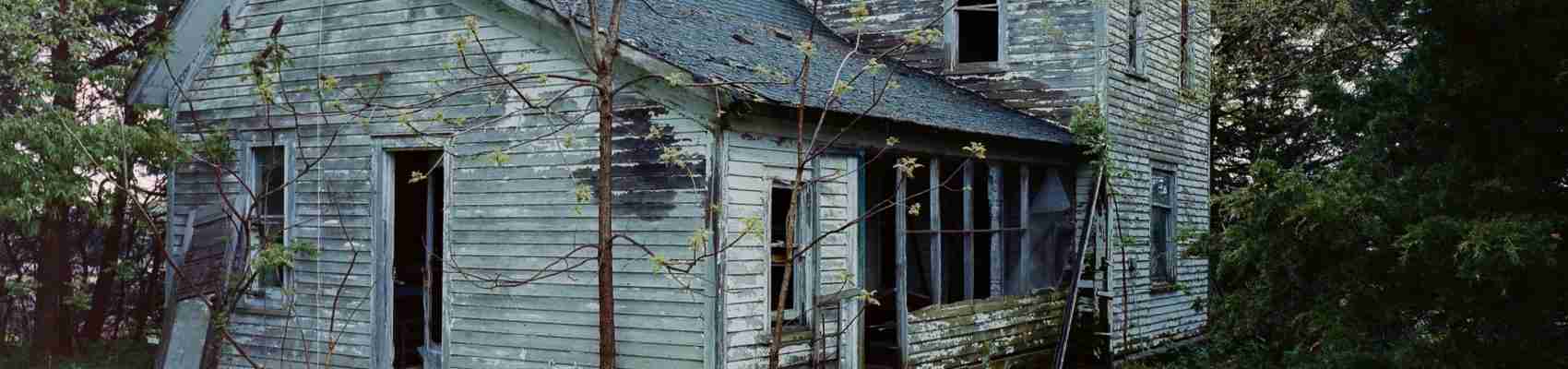
Shocking Vacancy: 1 in 10 U.S. Homes Sits Empty—Here Is Your Advantage
According to the latest American Community Survey, more than 16 million residential units—roughly 10 percent of the national stock—are vacant at any given moment. While most investors chase turnkey properties, a growing minority have discovered that the real money lies in breathing
life back into forgotten structures. Whether you plan to live in it, rent it, or sell for a windfall, this guide breaks down how to locate, vet, and revive abandoned houses without getting burned.How to Spot an Abandoned Gem Before Competing Investors Do
Speed matters; local flippers report that 70 percent of their best deals are found off-market. Use the following channels:
- Tax delinquency lists: County clerks sell spreadsheets of owners behind on property taxes—often the first sign of abandonment.
- USPS vacancy data: Request Delivery Sequence Files to identify addresses where mail has been undeliverable for 90+ days.
- Driving for dollars: Peeling paint, overgrown yards, and boarded windows still yield 25 percent of successful acquisitions, according to BiggerPockets surveys.
- Code-violation reports: Municipalities issue fines for tall grass or broken windows; these addresses are low-competition leads.
Due-Diligence Checklist: Separate Money Pits from Money Trees
A 2023 ATTOM Data study shows that 58 percent of abandoned properties require structural repairs beyond cosmetic updates. Use this quick triage:
| Inspection Item | Red Flag | Estimated Cost Impact |
|---|---|---|
| Foundation cracks | Horizontal or >1/4 inch wide | $10,000–$40,000 |
| Roof age | 20+ years or visible sagging | $8,000–$15,000 |
| Electrical panel | 60-amp service or knob-and-tube wiring | $3,000–$9,000 |
| Mold/moisture | Persistent odor or black staining | $2,000–$6,000 |
Walk away if the rehab budget exceeds 70 percent of the ARV (After Repair Value) minus your desired profit. That simple rule protects margins even in cooling markets.
Crunching the Numbers: The 70/30/10 Formula for Predictable Profits
Seasoned investors swear by a three-tier allocation:
- 70% of ARV covers purchase plus rehab.
- 30% of ARV captures gross profit and transaction costs.
- 10% safety buffer for surprises—because they always happen.
Example: If comparable renovated homes sell for $300,000, you should be all-in for $210,000; $21,000 remains as contingency
, leaving roughly $69,000 net profit. Zillow’s 2024 Market Report notes that homes priced under median values appreciate 1.5x faster post-renovation, amplifying returns.Funding the Revival Without Draining Your Savings
Traditional mortgages rarely close on vacant houses. Instead, consider:
- Hard-money loans: Up to 90% of purchase price, funded in 7 days; average interest 11.9%.
- FHA 203(k) loans: Bundles purchase and rehab up to $472,000 in most counties with only 3.5% down.
- Private lenders: Friends, family, or local doctors seeking 8–10% returns secured by real estate.
- Partnerships: Offer sweat equity in exchange for capital; common split is 60/40 in favor of the money partner.
Renovation Tactics That Add Maximum Value per Dollar
Data from Remodeling Magazine’s Cost vs. Value Report highlights projects with the highest ROI on distressed properties:
- Garage door replacement: 103%
- Entry door upgrade: 101%
- Minor kitchen remodel: 87%
- Exterior paint and landscaping: curb appeal raises perceived value by up to 7% instantly
Focus on first impressions. A University of Texas study found buyers form an emotional judgment within 7 seconds of arriving at a property, dictating willingness to pay premium pricing.
Top 5 Pitfalls First-Time Restorers Must Dodge
Learning the hard way is expensive. Avoid these traps:
- Underestimating holding costs: Utilities, insurance, and financing add roughly 1% of property value per month.
- Skipping permit pulls: Violations can stall closings; fines average $6,200.
- Over-improving for the neighborhood: A $50,000 chef’s kitchen in a blue-collar block rarely recovers half its cost.
- Ignoring exit strategy mismatches: Financing terms that balloon in 12 months clash with slow markets.
- Not planning for vacancy when renting: Budget 8% per year for turnover and repairs, per National Apartment Association.
People Also Asked: Rapid-Fire Answers
How do I find the owner of an abandoned house? Start with the county assessor website, then send a certified letter to the tax mailing address. If returned, hire a skip-trace service to locate current contact info.
Are there grants for restoring vacant homes? Yes. HUD’s Neighborhood Stabilization Program and many state Historic Home Credits reimburse 10–20% of qualified costs.
What is a quiet title action? A court procedure that clears clouds such as liens or missing heirs. Expect 3–6 months and $1,500–$3,000 in legal fees.
Can I live in the property during rehab? Often, but some hard-money lenders prohibit it and local codes may require utilities be fully functional first.
Key Takeaways and Your Next Move
Vacant homes are not eye-sores; they are overlooked assets. Identify them early through public records, vet them ruthlessly with a structural checklist, and lock profit with the 70/30/10 formula. Fund the deal creatively, stick to high-ROI renovations, and sidestep classic rookie mistakes. Ready to scout your first project this weekend? Share your questions below and tell us which neighborhood you plan to transform—we may feature your success story next.