Introduction to Urban Photography
Urban photography is an exhilarating endeavor that allows photographers to capture the essence of city life, architecture, and the unique atmospheres that each city offers. This guide provides essential tips and techniques for shooting in some of the world’s most photogenic cities, ensuring you bring back compelling
images that tell the story of your urban explorations.Choosing the Right Equipment
Before diving into the bustling streets, it’s crucial to equip yourself with the right gear. A versatile camera that performs well in both low light and bright conditions is essential. Additionally, a variety of lenses, such as a wide-angle lens for expansive cityscapes and a fast prime lens for detailed street scenes, will enhance your ability to capture diverse urban landscapes.
Best Cities for Urban Photography
- New York City, USA – Known for its iconic skyline and bustling streets.
- Paris, France – Offers romantic street scenes and timeless architectural beauty.
- Tokyo, Japan – Features vibrant street life and cutting-edge architecture.
- London, UK – Provides a mix of historical landmarks and modern skyscrapers.
Optimal Lighting Conditions
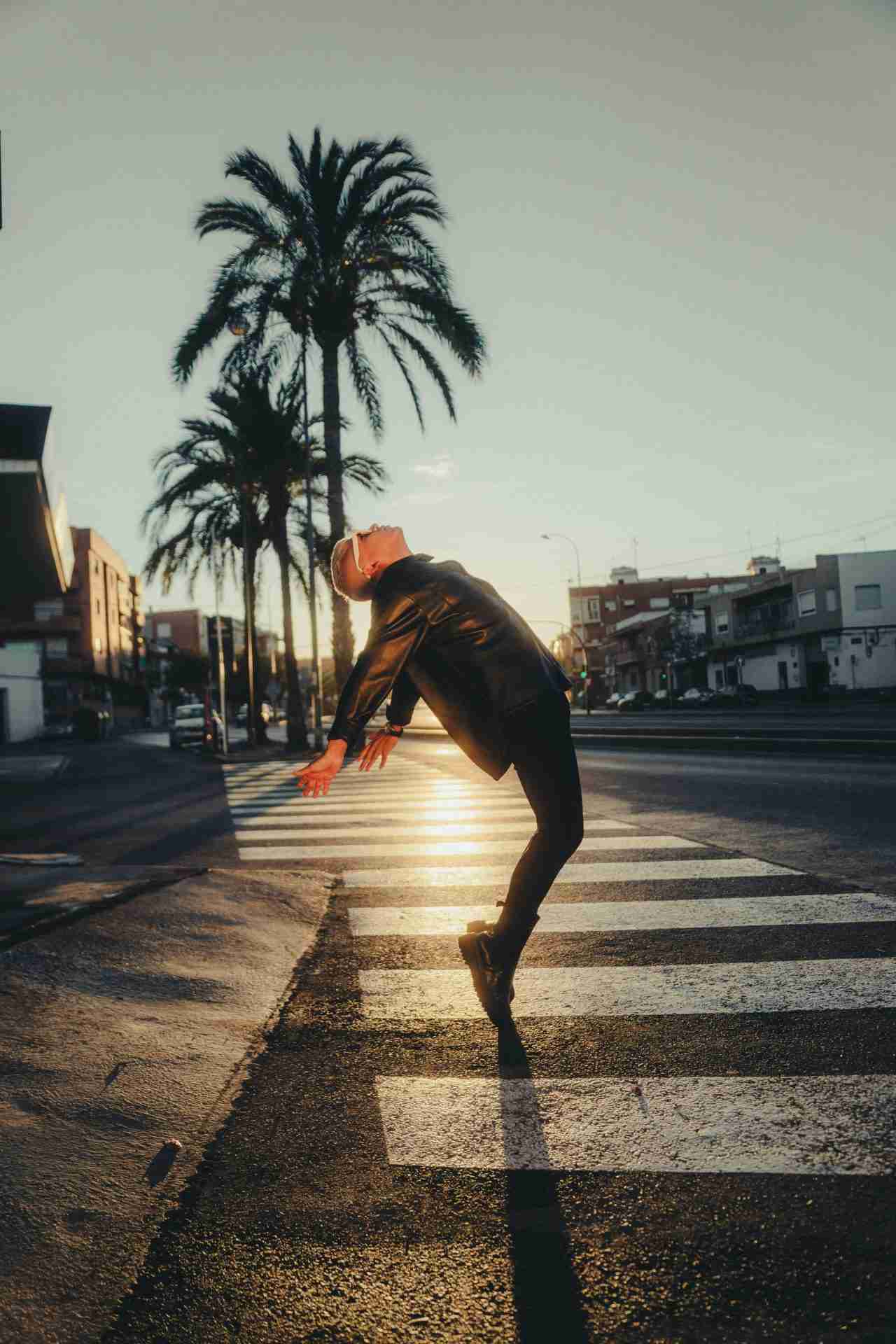
Lighting plays a pivotal role in photography, and urban environments are no exception. The best times for urban photography are typically during the golden hours, early morning, or late afternoon when the light adds a magical glow to the city. Night photography in cities can also be exceptionally rewarding, with city lights providing dramatic scenes and reflections.
Composition Techniques in Urban Photography
Composing striking urban photographs requires an eye for detail and an understanding of photographic composition principles. Leading lines, such as roads or train tracks, can guide the viewer’s eye through the image. Meanwhile, incorporating elements like people, street art, or reflections can add layers of interest and depth to your urban landscapes.
Common Challenges and Solutions
Urban photography often presents unique challenges, including dealing with crowded spaces and navigating public and private property laws. Always be respectful of local regulations and seek permissions where necessary. Additionally, safety should be your priority, so be aware of your surroundings, especially when shooting in less familiar
areas or at night.Post-Processing Tips
Post-processing is a powerful tool to enhance your urban shots. Techniques such as adjusting exposure, contrast, and color balance can help emphasize the mood of the city. Tools like noise reduction can be particularly useful for night shots, while sharpening can bring out the details that define urban textures.
Conclusion
Urban photography is a rewarding field that offers endless opportunities for creative expression. By understanding the best locations, mastering the timing for optimal light, and employing effective techniques, you can capture stunning photographs that reflect the vibrant life of the world’s most photogenic cities. Remember, the key to successful urban photography lies in preparation, patience, and a keen eye for capturing the unique stories that cities are eager to tell.
FAQs in Urban Photography
What is the best camera for urban photography?
Any camera that allows for manual control of settings and interchangeable lenses can be ideal. Mirrorless cameras are a popular choice due to their compact size and excellent image quality.
How do you deal with privacy concerns when photographing people on the streets?
Always respect people’s privacy. If close-up, it’s polite to ask for permission. For general street scenes, photographing in a public space is usually acceptable, but familiarize yourself with local laws.
Any tips for first-time urban photographers?
Start by exploring your own city to practice capturing different subjects and lighting conditions. This familiarity will make you more confident when shooting in new and busier urban environments.