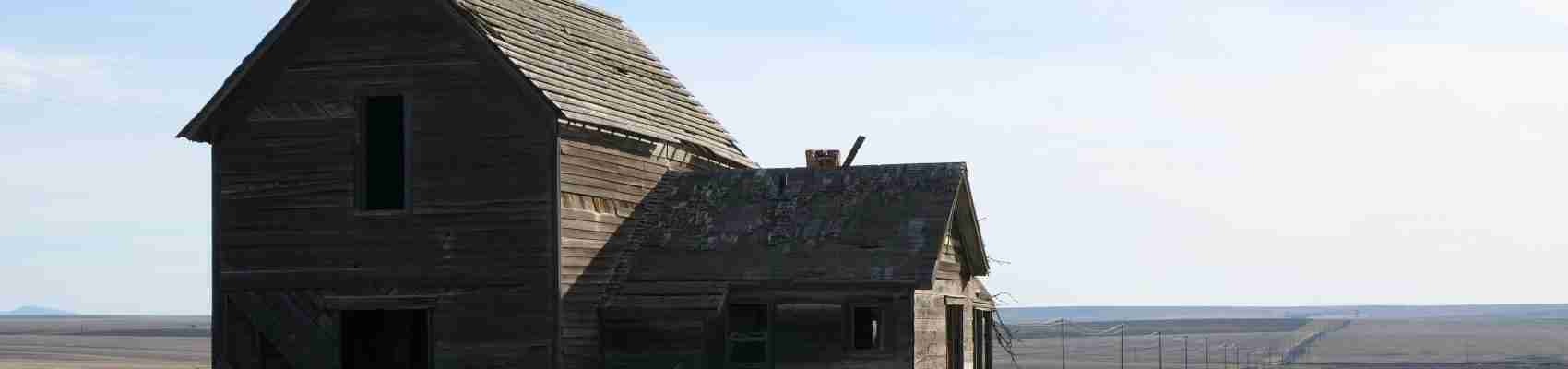
Walk down a dusty Midwest county road and you might spot it: a paint-peeled barn leaning against the sky like a forgotten cathedral. Across the United States, an estimated 20,000 farmsteads now sit empty, their silos echoing with wind instead of grain. This post digs into why those once-vibrant operations fell silent, what secrets they still hold, and
how exploring them can illuminate past, present, and future challenges in American agriculture.The Silent Exodus: Why So Many Farms Were Abandoned
At the peak of 1935, the USDA counted 6.8 million farms nationwide. By 2022, that figure had dropped to 2.0 million—a 70 percent contraction driven by four primary forces:
- Mechanization: One combine in 1950 harvested in a day what took 100 laborers in 1900, reducing the need for small family plots.
- Commodity Price Shocks: The 1980s Farm Crisis saw interest rates soar to 18 percent, and land values crater by 60 percent in parts of the Corn Belt, forcing thousands to walk away.
- Urban Migration: Census data shows rural counties lost 28 percent of their 18- to 35-year-olds between 1990 and 2020 as jobs clustered in metro hubs.
- Consolidation: Today, 4 percent of farms produce two-thirds of all U.S. food, swallowing smaller neighbors and leaving redundant homesteads behind.
Reading the Clues: What Abandoned Sites Tell Us
Every deserted pasture is a time capsule. Here is how explorers, historians, and even policymakers interpret them:
| Artifact | What It Reveals | Why It Matters Today |
|---|---|---|
| Wood-frame barns with fieldstone foundations | Pre-WWII construction, built before steel and concrete became affordable | Shows era of manual labor and livestock-centric operations |
| Rusting corn pickers manufactured by International Harvester | Mechanization wave of the 1950s–70s | Helps date decline and track technological adoption rates |
| Abandoned grain bins with 1970s safety signage | Built during federal grain-export boom | Correlation between global trade volatility and farm survival |
| Collapsed tenant houses | Evidence of sharecropping or hired labor | Highlights economic stratification in rural America |
People Also Ask: Quick Answers to Burning Questions
Is it legal to explore abandoned farms?
Access laws vary by state, but most abandoned parcels still belong to someone—trespassing penalties apply. Always obtain written permission from the registered
Can these farms be reclaimed for modern agriculture?
Often yes. USDA’s 2023 report notes 14 percent of retired farmland has returned to production through conservation leases, agritourism ventures, or organic startups.
What wildlife thrives in deserted fields?
Studies by the Fish and Wildlife Service show abandoned cropland increases pollinator diversity by up to 53 percent within five years, attracting monarchs, meadowlarks, and white-tailed deer.
Case Studies: Three Haunting Yet Insightful Sites
- Henrietta Farm, Kansas: Once a 1,200-acre wheat empire, it was foreclosed in 1987. Today, photographers flock to its half-standing grain elevator. Local historical societies used drone imaging to model soil erosion, informing current conservation practices.
- Red Apple Orchard, Upstate New York: In the 1940s it shipped 40 railcars of fruit annually. When interstate highways rerouted traffic, the packing house shuttered in 1973. Recently, a cider start-up leased 60 acres, proving adaptive reuse is viable.
- Coyote Ridge Ranch, Nevada: A sheep station abandoned after a 1955 drought. Solar developers now evaluate the 2,400-acre plateau, typifying the land-use pivot from agriculture to renewable energy.
The Bigger Picture: Rural Resilience and Future Challenges
Abandoned farms embody loss, but they also spotlight resilience. Consider these statistics:
- The USDA Conservation Reserve Program pays $1.8 billion annually to keep 22 million acres in grass cover, much of it on former cropland.
- Rural broadband expansion is projected to add $65 billion to farm income by 2028, potentially reversing out-migration trends.
- Urban farming startups grew 30 percent year-over-year in 2022, signaling new hybrid models that blur the lines between city and countryside.
Understanding what went wrong on yesterday’s farms informs smarter decisions on water use, climate adaptation, and community planning. These ghostly homesteads warn us against overleveraging, monocropping, and ignoring demographic shifts.
Tips for Responsible Exploration
- Safety First: Wear sturdy boots and a respirator; mold and collapsing beams are common hazards.
- Document, Don’t Disturb: Photographs preserve history—graffiti and artifact removal erase it.
- Connect Locally: County clerks’ offices provide ownership records; neighbors often share oral histories that enrich the visit.
- Leave No Trace: Treat the site like a fragile museum. Close gates, avoid crop rows, and carry out all trash.
Conclusion: Listening to the Land’s Whisper
From cracked silos in the Great Plains to ivy-choked dairies in New England, America’s abandoned farms act as mirrors reflecting both bygone prosperity and the pressing questions of modern agriculture. They challenge us to balance progress with preservation, efficiency with community. Next time you pass a sagging barn, consider the story locked behind its doors—then join the conversation. Share your own sightings, memories, or revitalization ideas in the comments below and help keep the dialogue on rural resilience alive.