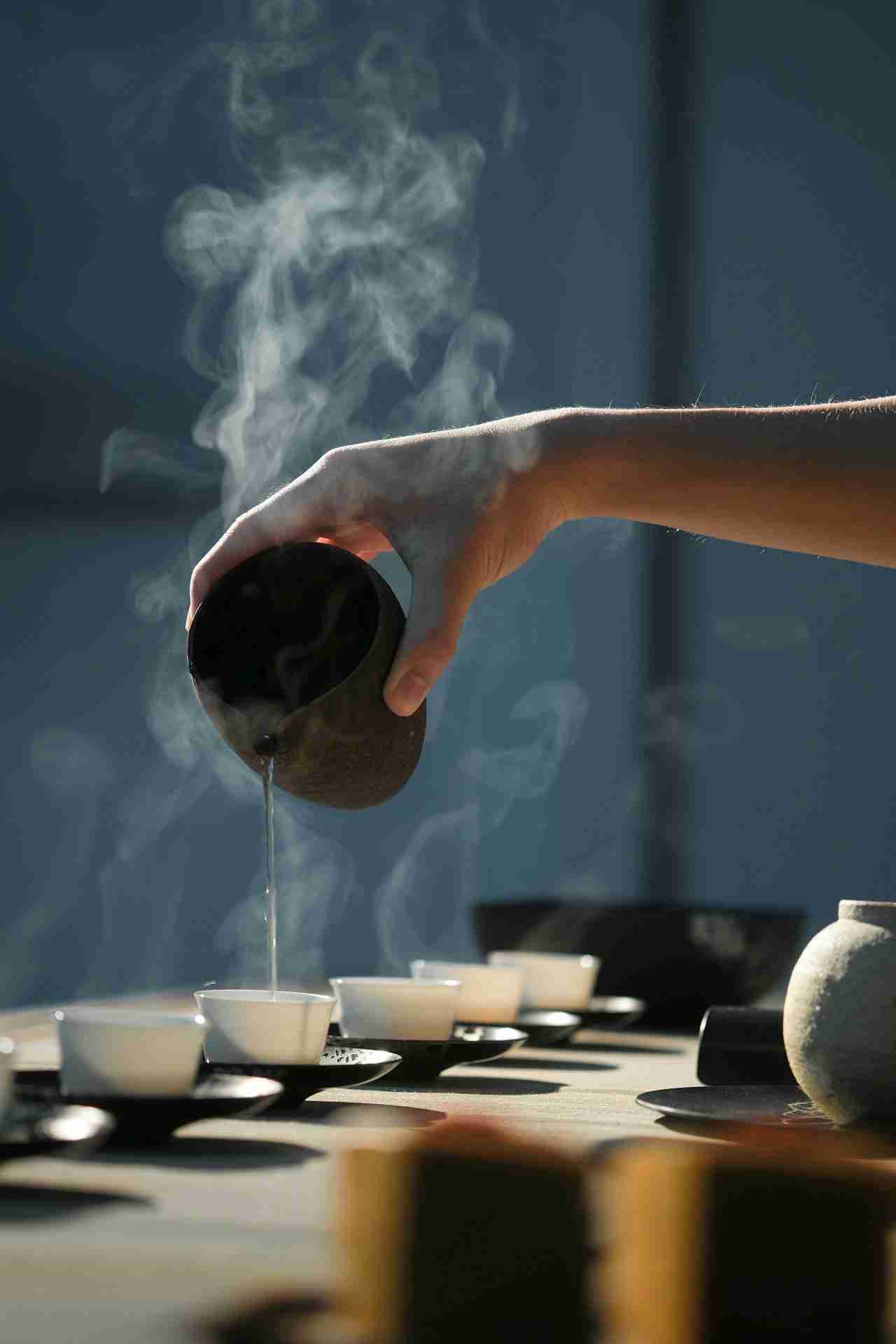
Introduction to Japanese Tea Ceremony
The Japanese tea ceremony, also known as Chanoyu, Sado, or simply Ocha in Japanese, is a traditional ritual influenced by Zen Buddhism in which powdered green tea, or matcha, is ceremonially prepared by a skilled practitioner and served to a small group of guests in a tranquil setting. This ancient practice is much
more than making tea; it is a choreographed art that embodies harmony, respect, purity, and tranquility.Historical Context of the Tea Ceremony
The origin of the Japanese tea ceremony can be traced back to the 9th century when tea was first introduced to Japan from China. By the 16th century, tea drinking had evolved into a distinct Japanese art form, largely under the influence of Zen Buddhism. The tea ceremony was a spiritual practice where participants could find inner peace in the preparation and consumption of tea.
A Tour of Japan’s Traditional Tea Houses
Traditional Japanese tea houses, known as Chashitsu, are designed with simplicity and natural beauty in mind, fostering a setting where one can disconnect from the chaotic outside world and reflect inward. These structures are commonly made of natural materials like wood, bamboo, and paper, featuring tatami floors and sliding doors.
Modern Experiences in Tea Ceremony
Today, the tradition of the Japanese tea ceremony still thrives, integrating both historical practices and modern appeals. Many tea schools across Japan offer classes for both locals and tourists, teaching the delicate ways of tea preparation and the philosophy behind the ceremony. Participating in a tea ceremony can provide a deeper understanding of Japanese culture and history.
Step-by-Step Guide to the Tea Ceremony Process
- Purification: Guests and host cleanse their hands and mouths to purify themselves before entering the tea room, symbolizing the separation from the outside world.
- Preparation of Utensils: The host meticulously cleans each tool that will be used to prepare the tea, each movement deliberate and thoughtful.
- Serving Matcha: The host prepares matcha by whisking powdered green tea with hot water in a bowl, creating a frothy consistency.
- Drinking Tea: The bowl is passed from guest to guest, who drink from it respectfully before wiping the rim and passing it on.
- Discussion: Guests and host engage in a discussion about the utensils , tea, and other subjects, deepening their social and cultural connection.
Frequently Asked Questions About the Japanese Tea Ceremony
Here are some common questions people ask about this traditional practice:
- What is the significance of the Japanese tea ceremony? The ceremony is a choreographed ritual that allows participants to enjoy the aesthetic pleasure of the tea, the serene setting, and the company of others, fostering a moment of harmony and peace.
- Can tourists participate in a tea ceremony? Yes, many tea houses and cultural centers in Japan welcome tourists to participate in tea ceremonies. It’s a wonderful opportunity to experience Japanese culture firsthand.
- How long does a typical tea ceremony take? A full-length formal tea ceremony can last up to four hours, including a meal and two servings of tea. Shorter experiences can last from 45 minutes to an hour.
Conclusion
The Japanese tea ceremony is a beautiful, meditative, and historical practice that offers a unique glimpse into the cultural fabric of Japan. Whether you are a history enthusiast, cultural scholar, or simply a curious traveler, participating in a tea ceremony can provide an enriching and enlightening experience, connecting you more deeply with the traditions of Japan.