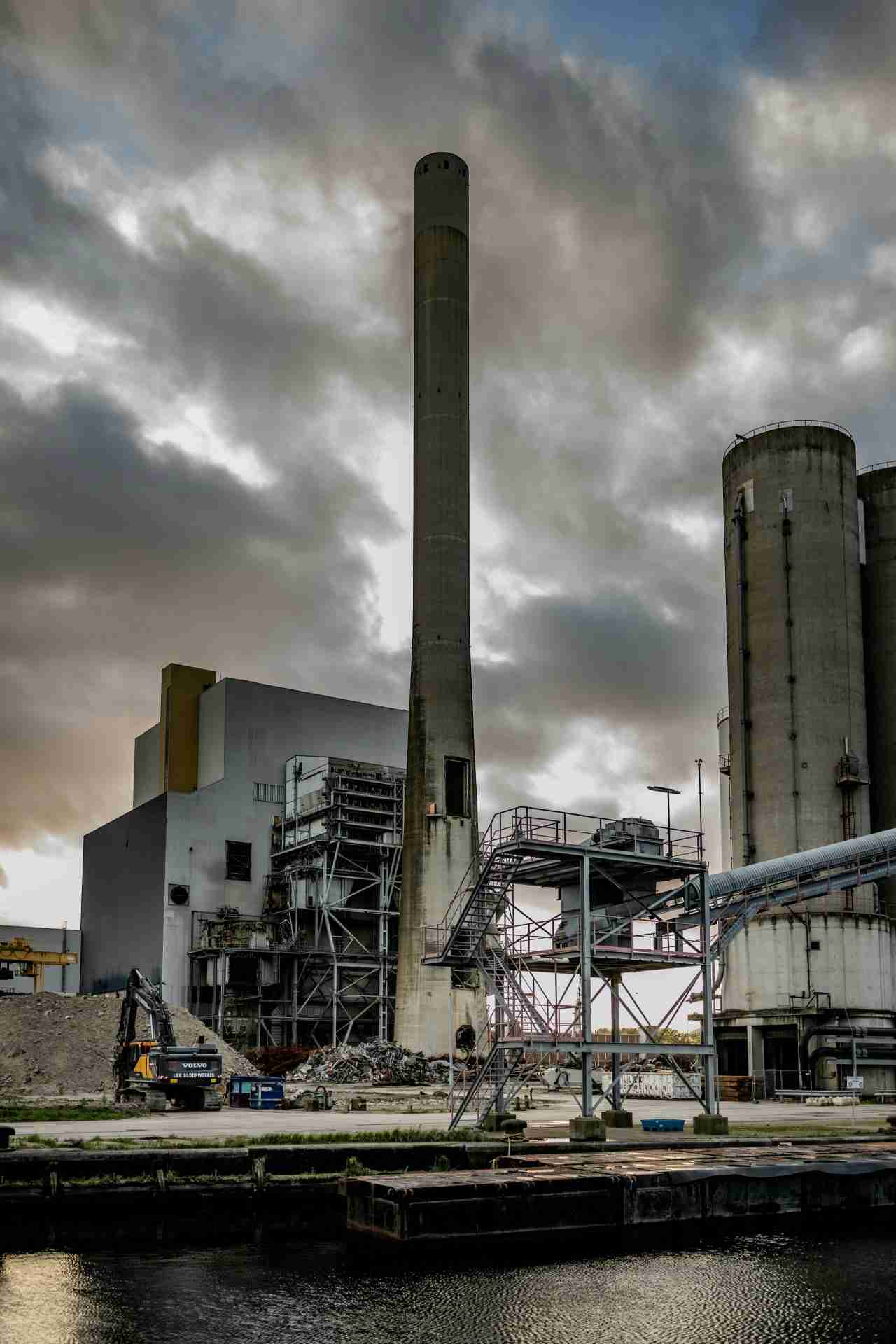
What is Industrial Tourism?
Industrial tourism involves visiting sites of industrial heritage—places that once buzzed with activity and production but now stand silent. These sites, ranging from abandoned factories and defunct railways to old mines and empty warehouses, attract those interested in history, architecture, and the eerie beauty of decay
. This form of tourism not only offers a glimpse into a bygone era but also highlights the impact of industrialization on society.The Allure of Urban Exploration
Urban exploration, or “urbex,” is closely tied to industrial tourism. It’s the act of exploring built environments that are generally abandoned and off-limits to the public. Enthusiasts are often drawn to these places to photograph the architecture, learn about the location’s history, or simply experience the thrill of discovery. Popular among adventurers and photographers, urban exploration requires a good deal of preparation and caution to ensure safety.
Top Sites for Industrial Tourism
- Beelitz-Heilstätten Hospital, Germany: Once a sanatorium, this vast complex now serves as a haunting reminder of the past, famous for its decrepit surgery room and eerie corridors.
- Letchworth Village, USA: This abandoned psychiatric hospital in New York offers a chilling glimpse into early 20th-century psychiatric care.
- Hashima Island, Japan: Known as Gunkanjima (Battleship Island), this site was once the densest place on earth, populated by coal miners. Today, it stands deserted, an island frozen in time.
Safety Considerations for Industrial Tourists
Safety is paramount when it comes to exploring industrial and abandoned sites. Many of these places are not maintained and can be dangerous. Here are some essential safety tips:
- Wear appropriate attire: Protective clothing, helmets, and sturdy boots are a must to guard against sharp objects and unstable structures.
- Never explore alone: Always have at least one companion; it’s safer in case of emergencies.
- Inform someone of your plans: Make sure someone knows where you’re going and when you expect to return.
- Carry a flashlight and extra batteries: Many abandoned sites lack natural light, especially in enclosed spaces.
- Respect barriers and signs: These are often placed for your safety. Ignoring them can lead to injury or legal issues.
Legal and Ethical Considerations
While the thrill of exploration can be enticing, it’s important to approach industrial tourism responsibly. Trespassing laws vary by location, and it’s crucial to obtain permission where necessary. Additionally, preserving the integrity of these sites is vital—take only photographs, leave only footprints. This approach not only respects the heritage and histories of the sites but also ensures they remain intact for future explorers.
Conclusion
Industrial tourism and urban exploration offer unique windows into the past, allowing us to witness the remnants of industry and achievements that once defined entire communities. By exploring these sites with caution and respect, we can uncover the stories of our collective industrial heritage while satisfying our curiosity about the unknown and the forgotten.
People Also Asked
Is urban exploration legal? Urban exploration can be legal, but it often involves entering private property. Always seek permission and check local laws before exploring.
What equipment is essential for safe urban exploration? Essential equipment includes a flashlight, helmet, gloves, sturdy boots, and a first-aid kit. A camera for documentation and a mobile phone for emergencies are also important.
How can I find industrial tourism sites near me? Start by researching local history or joining online forums and social media groups dedicated to urban exploration and industrial tourism.