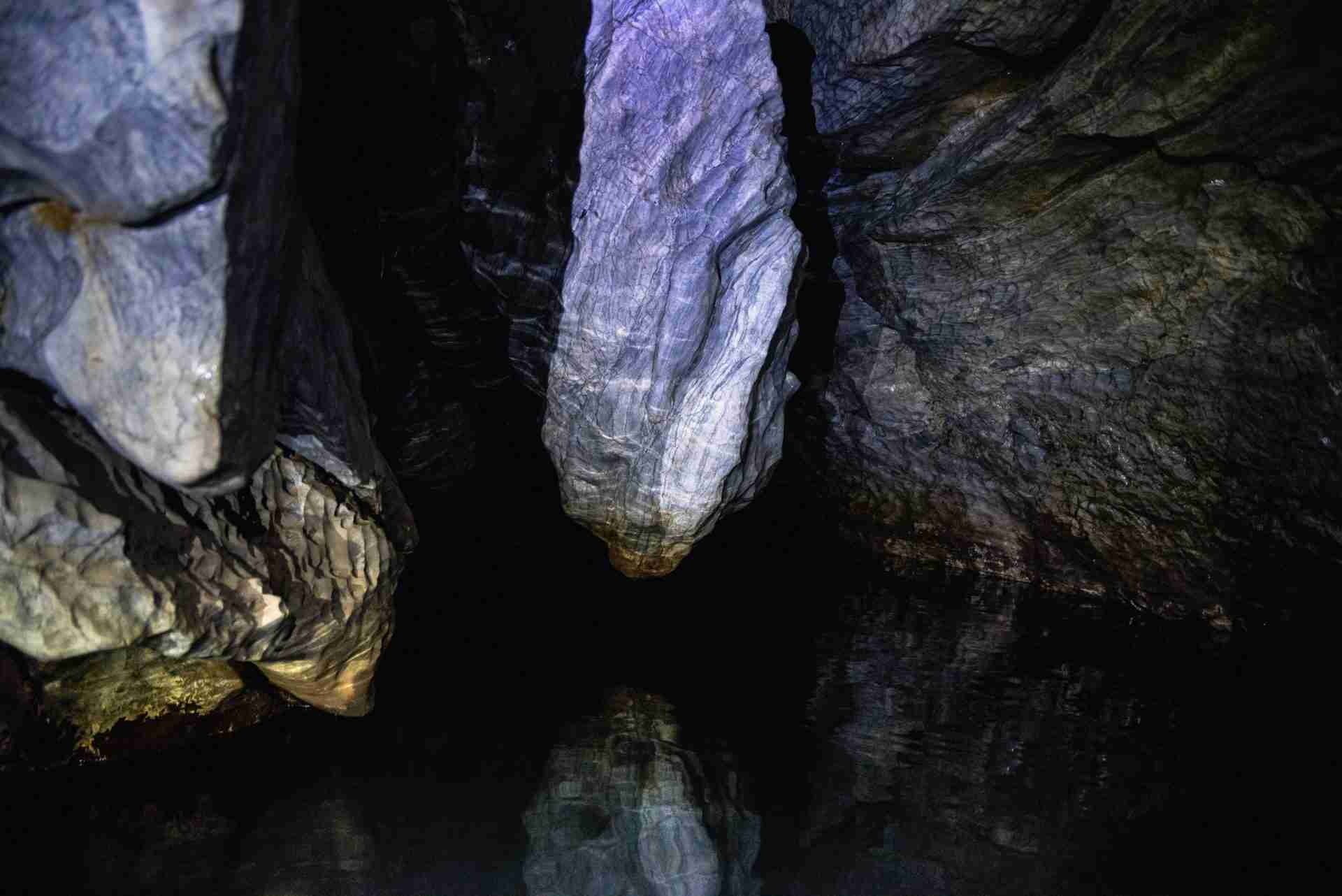
Introduction to Cave Exploration
For thrill-seekers and nature lovers alike, cave exploration offers a unique adventure into the earth’s depths. Known also as spelunking or caving, this activity not only provides a physical challenge but also unveils some of the most breathtaking underground landscapes on our planet. Here’s your guide to some of
the world’s most spectacular cave systems and the burgeoning field of underground tourism.Top Destinations for Cave Explorers
From crystal-lined chambers in Mexico to vast cave networks in Vietnam, each cave system presents its own set of wonders and challenges. Here are a few must-visit destinations for any avid cave explorer:
- Waitomo Glowworm Caves, New Zealand: Famous for its population of luminescent glowworms, these caves offer a magical boating experience under a starry-like sky created by these unique creatures.
- Mammoth Cave National Park, USA: As the world’s longest cave system, Mammoth Cave boasts more than 400 miles of surveyed passageways filled with rich history and diverse geological features.
- Škocjan Caves, Slovenia: This UNESCO World Heritage site is renowned for its enormous caverns and the Reka River flowing through its subterranean passages.
- Son Doong Cave, Vietnam: Holding the title for the largest cave in the world, Son Doong features a jungle and a river inside it, and can house a 40-story skyscraper within its cavern.
Preparing for Your Cave Adventure
Exploring caves can be exhilarating yet demanding. Proper preparation is key to ensuring a safe and enjoyable trip. Here are some essential tips:
- Get the Right Gear: Essential equipment includes a helmet, headlamp, appropriate footwear, gloves, and clothing that protects against wet and cold conditions.
- Check Local Guidelines: Many caves have specific rules to preserve their delicate ecosystems. Always follow the guidelines and obtain necessary permits or professional guides.
- Stay Safe: Never cave alone. Always explore with companions or a guided group, and be sure to notify someone about your plans.
Environmental Considerations
While cave exploration can be a thrilling adventure, it’s crucial to approach it with environmental consciousness. Caves are fragile ecosystems that can be easily disrupted by human activity. Minimizing impact involves sticking to marked paths, avoiding touching
formations, and packing out all waste. Additionally, as caves can house unique species and delicate habitats, it’s important to sanitize gear between visits to prevent the spread of disease, such as White Nose Syndrome in bats.People Also Asked
Is cave exploration dangerous?
Like any adventure sport, cave exploration comes with risks, particularly if unprepared. Hazards can include falls, flooding, and getting lost. Proper preparation, equipment, and guidance significantly reduce these risks.
How do I start cave exploring?
Beginners should start by joining a local caving club or taking tours from experienced guides who can provide necessary training and safety tips.
What is the best time of year to explore caves?
Many caves are accessible year-round, but conditions can vary greatly depending on the weather and region. Always check local conditions and seasonal closures before planning your trip.
Conclusion
Cave exploration opens a window to the unseen underground marvels of our world. Whether you’re marveling at bioluminescent organisms in New Zealand or trekking through expansive chambers in Vietnam, each cave offers a unique story to tell and a mystery to unravel. Remember to explore responsibly, preserving these natural wonders for future generations.