Vacuum cleaning is a routine household task that requires time and energy. Many individuals spend multiple hours each week vacuuming floors, carpets, and rugs. Over the course of a year, this time adds up to several days that could otherwise be allocated to different activities. Robot vacuum cleaners have been developed to address this issue by providing
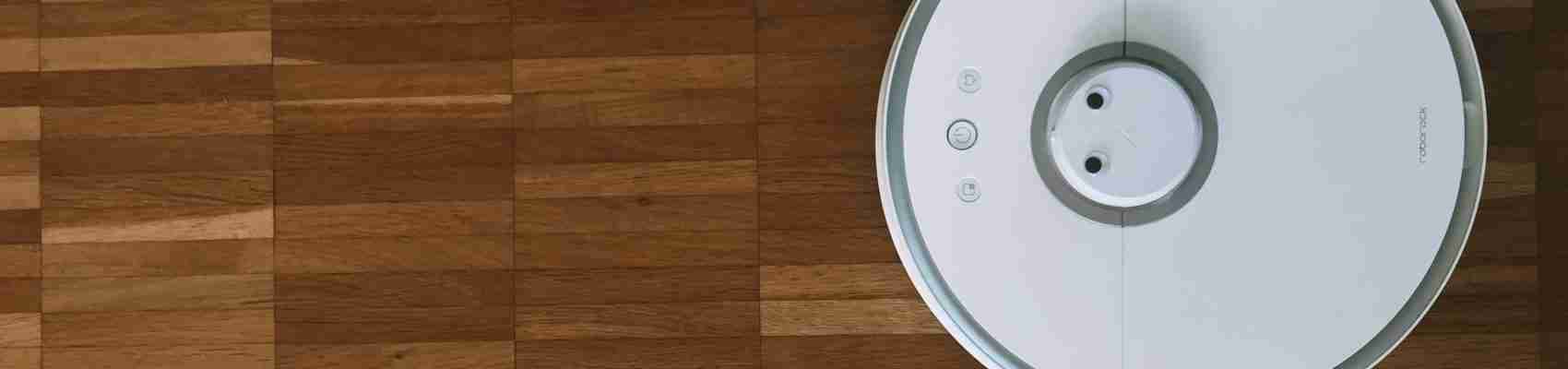
automated floor cleaning. These machines operate without continuous human control, moving around rooms according to programmed systems. This article will provide a neutral description of robot vacuum cleaners, their adoption, their features, and their general impact.Market Growth and Adoption
Market data indicates that robot vacuum cleaners have become a standard option in the consumer electronics sector. In 2023, global sales exceeded five billion U.S. dollars. This represented an annual increase compared to the previous year. The growth is associated with general interest in automation and connected household devices. Robot vacuums are considered one element in this trend. Their primary appeal is based on convenience and efficiency.
Commonly Cited Benefits
Users of robot vacuum cleaners describe several recurring advantages:
Time Reduction: Robot vacuums can reduce the number of hours spent on manual cleaning. Schedules can be set so that the cleaning occurs without intervention.
Energy Considerations: Many models use mapping functions to cover floors systematically, which decreases duplicate movements and can lower energy consumption.
Air Quality: Filters are built into many devices. These are often rated at high efficiency levels and can remove small particles. This aspect may assist individuals who experience dust or pollen sensitivity.
Typical Features in the Market
Robot vacuum cleaners have developed multiple features. These include:
Navigation Systems: Some units rely on bump sensors, while more advanced versions use light detection and ranging systems (LIDAR).
Memory Functions: Certain devices can store information about floor layouts for repeated use.
Automatic Disposal: Higher-cost models contain bases that hold dirt and debris for extended periods, sometimes up to two months.
Suction Levels: Strength is measured in pascals (Pa). Higher numbers are typically required for thick carpets.
Mopping Attachments: Some products combine vacuuming
and mopping functions in a single operation.
Comparative Data
Consumer organizations have compared traditional vacuum cleaners with robotic ones. Results show:
Manual vacuuming requires several hours per week. Robot vacuums reduce this to maintenance only.
Annual electricity costs may be lower when using robotic models.
Dust reduction levels have been recorded in households after prolonged use.
Frequent Questions
Several questions are often asked before purchase:
Do they work on carpets? Yes, but effectiveness varies depending on suction power.
How long does the battery last? Usually 90–120 minutes per charge, with lifespan of multiple years.
Can they replace upright vacuums? They are sufficient for many hard floors, but some rugs still require manual cleaning.
Are they loud? Noise levels are typically lower than upright vacuums.
Choosing a Model
Selection depends on living environment. For small apartments, basic models may be sufficient. Larger households with pets may require advanced navigation, stronger suction, and automatic disposal systems. Some users prefer additional connectivity with voice assistants and mobile applications.
Maintenance Requirements
Upkeep is generally simple. Dustbins or base stations must be emptied periodically. Filters should be rinsed or replaced at recommended intervals. Brushes require occasional inspection to remove hair and other obstructions. Software updates are sometimes provided by manufacturers.
Environmental Aspects
Energy efficiency is a selling point. Organized navigation reduces redundant cleaning paths, which decreases energy use. Widespread adoption could lead to collective reductions in electricity consumption on a national level.
Future Developments
Industry forecasts point to additional functions in upcoming models. These include automated mop cleaning systems, combined docking stations that manage multiple processes, and potential air purification features.
Conclusion
Robot vacuum cleaners are no longer seen only as optional or luxury devices. They have entered the mainstream market as practical household tools. Their main role is to provide consistent cleaning with limited supervision. While not eliminating all need for manual cleaning, they reduce workload and offer measurable benefits in convenience, time savings, and energy efficiency.