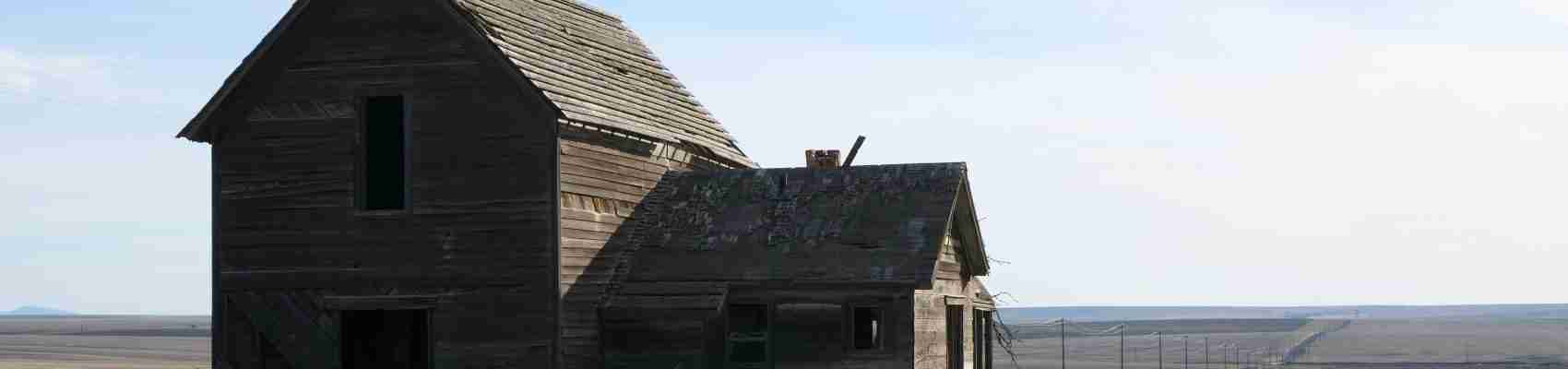
Introduction: America’s Silent Crop Crisis
Drive any two-lane highway in the Midwest or Deep South and you will eventually pass a sagging barn, a rusted tractor, and fields gone wild with goldenrod. Those scenes are not just picturesque—they are data points in a nationwide trend. The U.S. Department of Agriculture (USDA) estimates that more than
20 million acres of cropland have exited production since 1990, enough land to blanket the entire state of South Carolina. This post unpacks why farms are abandoned, where it is happening fastest, and—most importantly—how these ghost acres could be resurrected for profit, conservation, and community revival.The Numbers Behind the Empty Fields
While the romantic image of the family farm still looms large, the hard figures tell another story:
- The USDA’s 2022 Census of Agriculture counted 1.9 million farms, down from 2.1 million in 2012—a loss of almost 200,000 operations in just one decade.
- Average farmer age is now 58. From 2001 to 2021, the share of farmers under 35 fell by 14 percent, fueling generational turnover issues.
- Corn and soybean prices, adjusted for inflation, dropped nearly 30 percent between 2012 and 2020, squeezing margins for commodity growers.
Abandonment is rarely a single dramatic exit. More often, owners lease the acreage for a few seasons, then pause planting, then finally stop paying property taxes. By the time the county posts a foreclosure notice, the farmstead can look like a movie set.
Top Regions Affected
The wave is not uniform. The table below highlights five states with the largest percentage increase in unused agricultural acreage between 2010 and 2022.
| State | % Rise in Idle Farmland | Main Driver |
|---|---|---|
| Kansas | 18% | Drought cycles, low wheat prices |
| Mississippi | 16% | Out-migration, catfish market decline |
| New York | 15% | Dairy consolidation |
| Arizona | 14% | Water restrictions |
| North Dakota | 12% | Energy sector job pull |
Why Do Farmers Walk Away?
Answers differ by zip code, but four themes recur nationwide:
- Economic Pressure. Net farm income is notoriously volatile. Small operators often lack the cash reserves to weather a two-year dip in crop prices or a spike in fertilizer costs.
- Demographic Shifts. Rural counties lost 1.4 million residents between 2010 and 2020, according to the Census Bureau. Fewer people means fewer heirs interested in taking over.
- Technological Scale. Precision agriculture and mega equipment favor operations of 5,000 acres, not 150. Smaller farms struggle to justify new combines costing over $600,000.
- Climate Stress. Recurrent droughts in the High Plains and flooding in the Mississippi River Basin have rendered some parcels uninsurable.
People Also Asked: Quick Answers
- Can abandoned farmland return to production? Yes. Studies by Iowa State University show that soil fertility can rebound within three growing seasons with cover crops and compost.
- Is it legal to explore or photograph old farmsteads? Only with permission from the current owner; trespassing laws still apply.
- How do I find abandoned farm listings? County tax sale notices and specialized rural realtors often list them before larger platforms do.
- Are there grants for reviving idle land? The USDA’s Conservation Reserve Enhancement Program (CREP) and Rural Energy for America Program (REAP) both offer cost-share funds.
The Emerging Afterlife: Solar Arrays, Organics, and Tourism
Abandoned acreage is increasingly seen not as blight but as blank canvas. Three reuse models dominate headlines:
1. Renewable Energy Farms
Utility-scale solar needs large, relatively flat parcels near transmission lines—criteria many CSV-rich farms meet. Wood Mackenzie predicts that by 2030, over 2 million acres of former cropland will be converted to solar arrays, generating lease payments up to $1,200 per acre annually, triple the average cash rent for corn ground.
2. Regenerative and Organic Crops
Consumer demand for organic foods rose 12 percent in 2023 alone. Investors are buying distressed acreage at discount prices, transitioning it through a three-year certification period, and then leasing to young farmers. This model flips the generational dilemma on its head: newcomers get affordable entry, and investors get land appreciation plus premium rents.
3. Agritourism & Heritage Sites
Rural tourism is a $13 billion market. Think sunflower mazes, farm-stay Airbnbs, or distilleries in repurposed dairy barns. Even properties too small or eroded for row crops can generate revenue by selling nostalgia and experiences.
Barriers to Revival—and How to Overcome Them
- Title Issues. Heirs scattered across several states may each own a sliver. Solution: county land banks and quiet-title actions streamline consolidation.
- Infrastructure Decay. Collapsed wells and inadequate three-phase power deter investors. Public-private partnerships can co-fund upgrades; Georgia’s Rural Center reported a 7:1 return on such spending.
- Financing. Traditional ag lenders avoid non-income-producing property. New fintech lenders like Steward and Iroquois Valley Farmland REIT specialize in mission-driven land loans.
Case Study: From Foreclosure to Carbon Farm
In 2017, a 400-acre corn farm in central Illinois hit the auction block for $3,100 per acre—half the county average. A soil-health startup purchased it, planted perennial prairie mixes, and now sells carbon credits to corporations at $20 per metric ton. The property breaks even on credits alone; hay sales are profit. Five local jobs were created where none existed.
Conclusion: Turning Ghost Acres into Growth Engines
Abandoned farms are not merely relics of past prosperity. They are assets waiting for vision and capital. Whether through solar, organic grains, or agritourism, the pathways to revival are already proving profitable. For rural communities, each reclaimed acre means jobs, tax revenue, and a story that does not end with boarded windows. If you have ideas or experiences with reviving idle land, share them in the comments and help write the next chapter of America’s farmland saga.