The Allure of Ancient Trade Routes
In an era where travel is both a pursuit of pleasure and a journey through history, the ancient trade routes such as the Silk Road and the Spice Routes offer an enchanting blend of both. These historic paths, once traversed by merchants and adventurers, connected various continents and cultures, facilitating not only
the exchange of goods but also ideas and innovations. Today, these routes are being rediscovered and explored not by caravans but by modern travelers seeking to experience a rich tapestry of history and culture with the comforts of contemporary accommodations.Rediscovering the Silk Road
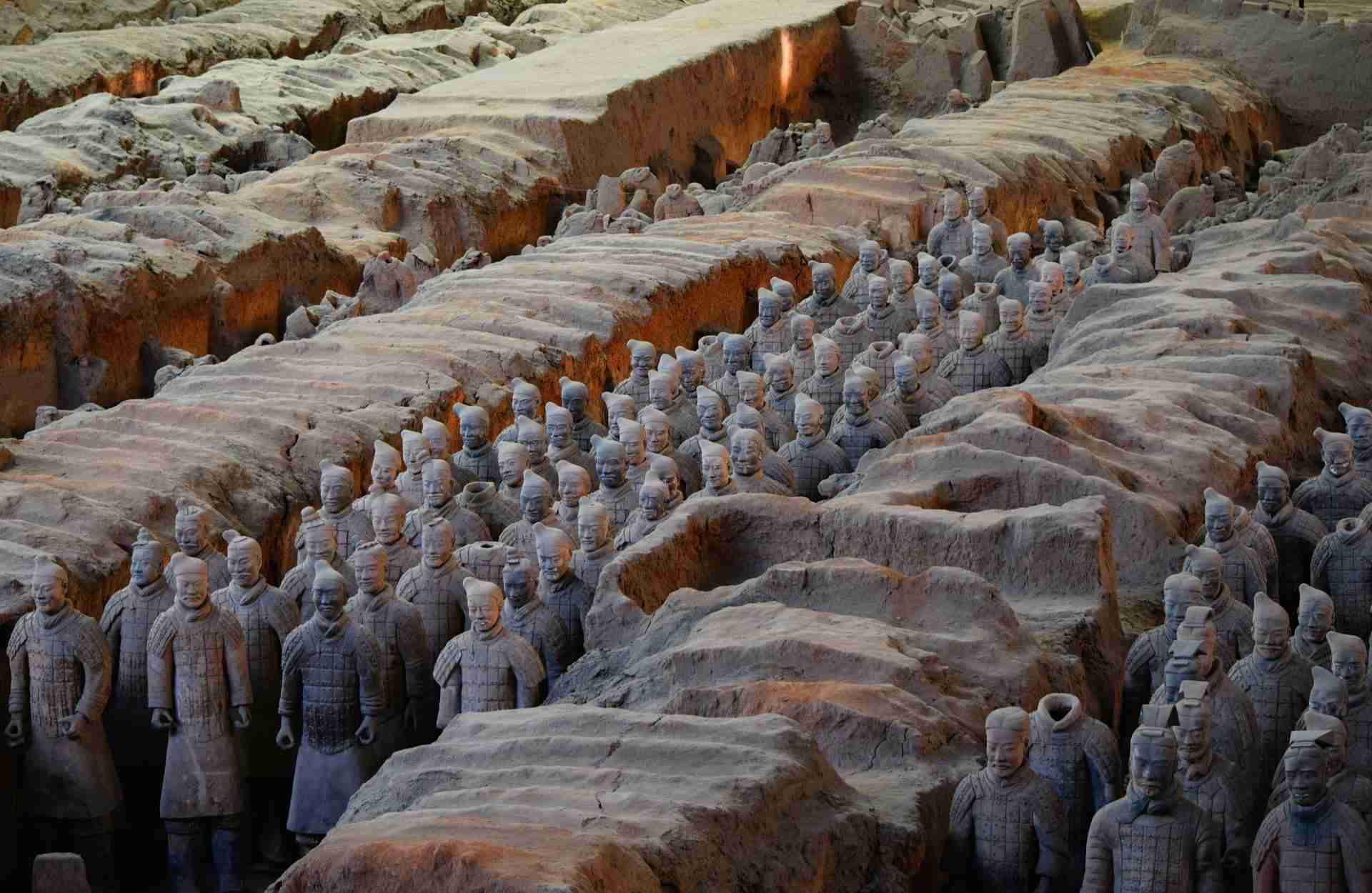
The Silk Road, a network of trade routes connecting the East and West, offers a journey through diverse landscapes and cultures. It spans several countries and cultures, from the bustling markets of Istanbul in Turkey to the terracotta warriors of Xi’an in China. Modern travel guides now offer tailored journeys along these routes, allowing travelers to experience ancient wonders like the city of Samarkand in Uzbekistan, known for its majestic Registan Square, or the breathtaking natural beauty of Kyrgyzstan’s mountains.
The Spice Routes: A Flavorful Voyage
Similarly, the Spice Routes, which connected the islands of Indonesia to the markets of Europe, offer an equally flavorful journey. Modern-day explorers can visit places like Zanzibar, a major trading port in the spice trade, known for its unique blend of African, Arab, and Indian cultures. The aromatic journey continues in India, where the spice markets of Cochin present a sensory overload of colors, smells, and tastes.
Modern Accommodations Along Historic Paths
One of the most appealing aspects of these modern journeys is the blend of historical exploration with luxury accommodations. Many tour operators specializing in these routes ensure that travelers can enjoy the day’s exploration in comfort and style. From boutique hotels housed in restored historic buildings to luxury tents in the desert, akin to those used by Silk Road caravans, the options are both diverse and immersive.
Planning Your Journey on Ancient Trade Routes
When planning a journey along these ancient paths, it’s important to consider several factors to enhance your experience:
- Choose the Right Time of Year: Weather can significantly affect your travel experience. For instance, Central Asia can be extremely hot in summer and bitterly cold in winter. Planning your trip during spring or autumn can provide a more comfortable journey.
- Engage with Local Guides: Local guides not only enrich your understanding of the sites but also offer insights into the contemporary culture and how ancient traditions have shaped it.
- Respect Local Customs: Many areas along these routes are culturally sensitive. Showing respect for local customs and traditions is essential.
- Travel Sustainably: Given the historical and often delicate nature of many sites, traveling sustainably and responsibly is crucial. Opt for operators who emphasize sustainable practices.
Frequently Asked Questions About Ancient Trade Routes
Here are some common questions travelers ask when planning to explore these historic routes:
- What is the best way to travel along the Silk Road? – The Silk Road covers a vast area, and a combination of train and car travel is often recommended for covering different segments of the route.
- Are these routes safe for tourists? – Yes, with proper planning and by following travel advisories, these routes are safe for tourists. However, always check the latest travel advice from reliable sources before your trip.
- Can I experience local food along these routes? – Absolutely! Part of the allure of following ancient trade routes is experiencing the local cuisine, which is an integral part of the cultural exchange that these routes historically facilitated.
Exploring ancient trade routes offers a unique combination of adventure, history, and culture, enhanced by the comforts of modern accommodations. Whether it’s retracing the steps of silk merchants or spice traders, these journeys promise a profound connection with humanity’s shared heritage.